Ghosts in the Catalog: Why American Fans Won't Let the Classics Die
Scroll through any American hentai forum in 2025 and you'll notice something strange. Amid the hype posts for whatever dropped last week, the same names keep surfacing — titles that premiered before some of the people posting about them were born. Nobody's nostalgic on purpose. The classics just keep winning arguments.
The Catalog Is a Graveyard and a Shrine
Here's the uncomfortable truth about the adult anime market: most new releases are built to be consumed and forgotten. The industry runs on short OVAs, quick turnarounds, and source material that exists mainly to sell the adaptation. There's no shame in it — it's a business model. But it means the average modern title has the cultural shelf life of a gas station snack.
The old classics didn't have that problem, partly because they didn't have a choice. When production cycles ran longer and budgets were scarcer, studios had to make something that would keep selling for years. Re-watchability wasn't a bonus feature; it was survival. That constraint, weirdly, produced better work.
What the Old Guard Actually Got Right
It's tempting to chalk the classics' staying power up to nostalgia, but spend any time in American fan communities and you'll find plenty of younger fans discovering these titles fresh, no childhood memories required. So what's the secret?
They had identity. Older titles often committed hard to a premise, a tone, a visual language. You could describe them to a friend in one sentence and they'd know exactly what they were getting. Modern releases, chasing every trend at once, frequently blur together.
They trusted the audience. The classics assumed you were paying attention. Pacing was slower, character beats landed harder, and the payoff meant something because you'd waited for it. Compare that to the modern habit of front-loading everything in episode one like the studio expects to be cancelled by episode two.
They were complete. This one hurts to write. A shocking number of beloved older titles actually ended. Stories resolved. Characters got arcs. American fans, raised on a steady diet of Part One of an unfinished story, notice when a work respects their time enough to stick the landing.
The American Angle
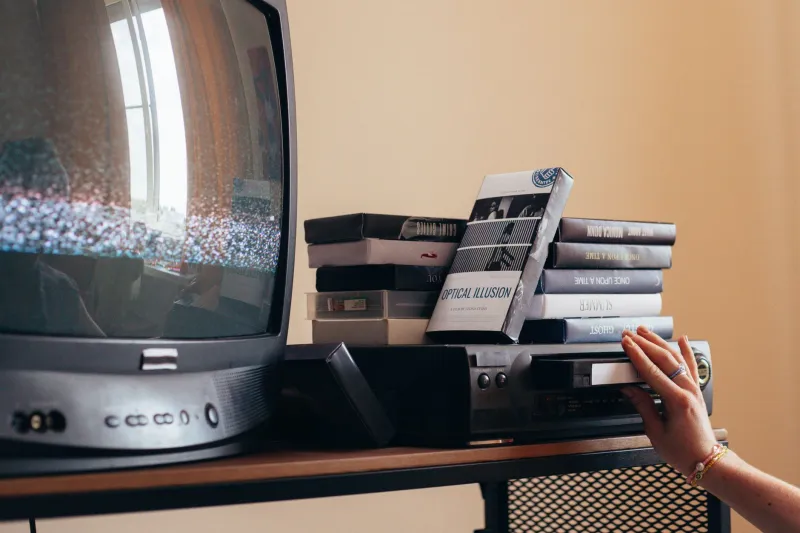
There's a specifically US flavor to this phenomenon. American fans came to these titles through VHS trades, late-night blockbusters, and the early torrent era — distribution methods that turned each rare find into a communal event. You didn't just watch a classic; you found it, and then you told people about it. That discovery mythology is baked into how the US fandom talks about these works even now.
There's also the regional reality that American fans have always been translators of their own fandom. The classics are the shared canon that everyone's seen, which makes them the common language of every forum thread, convention panel, and 2 a.m. Discord argument. New releases fragment the conversation; the classics unify it.
What Studios Could Learn
If I could leave one note on the desk of every production committee, it would be this: staying power is a feature, not an accident. The classics endure because someone made deliberate choices — a distinct premise, honest pacing, an actual ending — that happen to be exactly the choices that age well.
Modern studios optimize for the first week. The classics optimized for the tenth rewatch. Guess which approach still has American fans arguing about it thirty years later?
Long Live the Ghosts
None of this means new releases are doomed, or that the old guard should be put on a pedestal and worshipped uncritically — plenty of classics are goofy, dated, and held together by great character chemistry and vibes. But the fact that they're still the benchmark says something. American fans aren't rejecting the present. They're just refusing to let the past be erased by a content treadmill.
The ghosts in the catalog aren't haunting us. They're waiting to be studied.