Behind the Beaded Curtain: The Secret Economy of the Convention 18+ Room
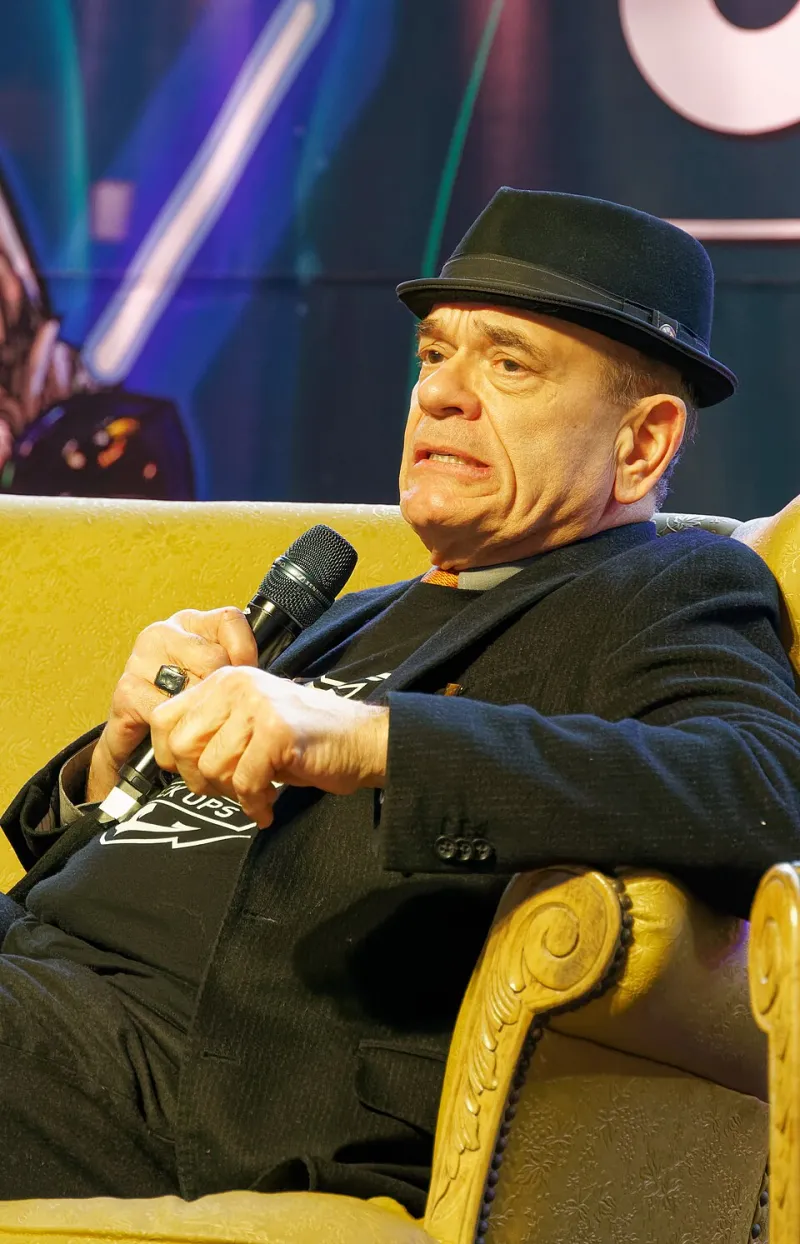
Photo: Miguel Discart, CC BY-SA 2.0, via Wikimedia Commons
Walk the dealer's hall at any major American anime convention and you'll notice it eventually — not because anyone points it out, but because of what's missing. Rows of booths selling figures, manga, wall scrolls, overpriced boba teas. And then, tucked behind a curtain or down an unmarked corridor, a rope line with a volunteer checking IDs and a sign that says something bureaucratic like "18+ Merchandise Area. No Minors. No Photography."
That's the room. Everybody knows about the room. Nobody puts the room on the map.
The Geography of Plausible Deniability
Convention adult sections exist in a weird legal and cultural gray zone. State obscenity laws vary wildly — what a vendor can display openly in Los Angeles is not what they can display in Cincinnati or Birmingham — so most cons solve the problem with architecture. Walls, curtains, partitioned aisles. The adult aisle isn't hidden because anyone's ashamed of it. It's hidden because the convention center's liquor license, the hotel's family-friendly image, and the city's vice enforcement all have opinions.
The result is a strange compromise: hentai is for sale, technically, but only if you perform the ritual. Show your ID. Get the wristband. Walk past the laminated signage. The shrink-wrap stays on until you're home, because open product in some jurisdictions counts as "public display of adult material" and no vendor wants to explain that to a local magistrate on a Sunday.
Ask a con operations staffer about it and you'll get the same answer everywhere: "We don't really promote it." Translation: we'll take the booth fees, we'll staff the door, but if a local news crew shows up, that room does not exist.
The Artists Who Can't Hang Their Best Work
Here's where it gets genuinely strange. Artist Alley — the beloved, wholesome heart of every con — has its own unspoken version of this. Plenty of working illustrators in the US adult anime scene make their rent from explicit commissions and doujin-style books. But their table displays are policed by a different, softer set of rules: no explicit art on the vertical display, covers must be "clean," the spicy stuff lives in a binder under the table or in a marked portfolio you have to ask to see.
So you get this absurd theater where an artist will spend all day selling chibi stickers to teenagers, then quietly flip open a binder for a 25-year-old who asks the right question. The best work in the building is under the table. Literally.
Some artists have told us the binder does better numbers than the displayed inventory. The people who know, know — and they ask.
The Most Profitable Booth Nobody Acknowledges
Talk to vendors who work both sides of the curtain and the numbers are almost embarrassing. The mainstream booth selling keychains might clear a few thousand dollars across a weekend. The 18+ room vendors — selling limited-run doujin, imported adult figures, uncensored prints — routinely out-earn them per square foot, often with a fraction of the foot traffic.
Scarcity is part of it. A lot of what's sold back there can't be bought retail in the US at all, at least not legally or affordably. Import restrictions, distributor hesitance, and mosaic-censorship gray markets mean the convention back room is often the only place an American fan can put hands on the real thing. When you're the only legal storefront in a hundred miles, you don't need a big sign.
There's also the psychology of the wristband. Getting tagged as an adult transforms the shopping experience. Fans plan for the 18+ room for months. They budget for it. They bring cash specifically for it. No other booth at the con gets that kind of intentionality.
Why the Pretense Persists
You might ask: if everyone knows, if the money is this good, why keep up the charade? Because the charade is load-bearing. The ID check is what keeps the local authorities content. The shrink-wrap is what keeps the venue's contract intact. The unmarked door is what keeps the con's family-friendly sponsors from bolting. Every fake-modest detail is a negotiated peace between adult fandom and the square world around it.
And honestly? Some of it protects the fans too. A room where phones aren't welcome, where nobody photographs anyone, where you can browse explicit material without an audience — that's a privacy guarantee the open floor can't offer. The curtain isn't just legal cover. It's the only truly judgment-free zone in the building.
The Republic's Position
We think the pretense has gotten old. Adult anime fans in the US spend real money, support working artists, and behave — statistically speaking — better than the main hall crowd. The industry deserves to exist above the table as well as under it.
Until then, though, we'll keep our wristband on and our cash ready. The best booth at the con is the one on no map. See you behind the curtain.